The Reality of Facing OVI Penalties in Ohio
When Can You Be Charged with DUI/OVI in Ohio?
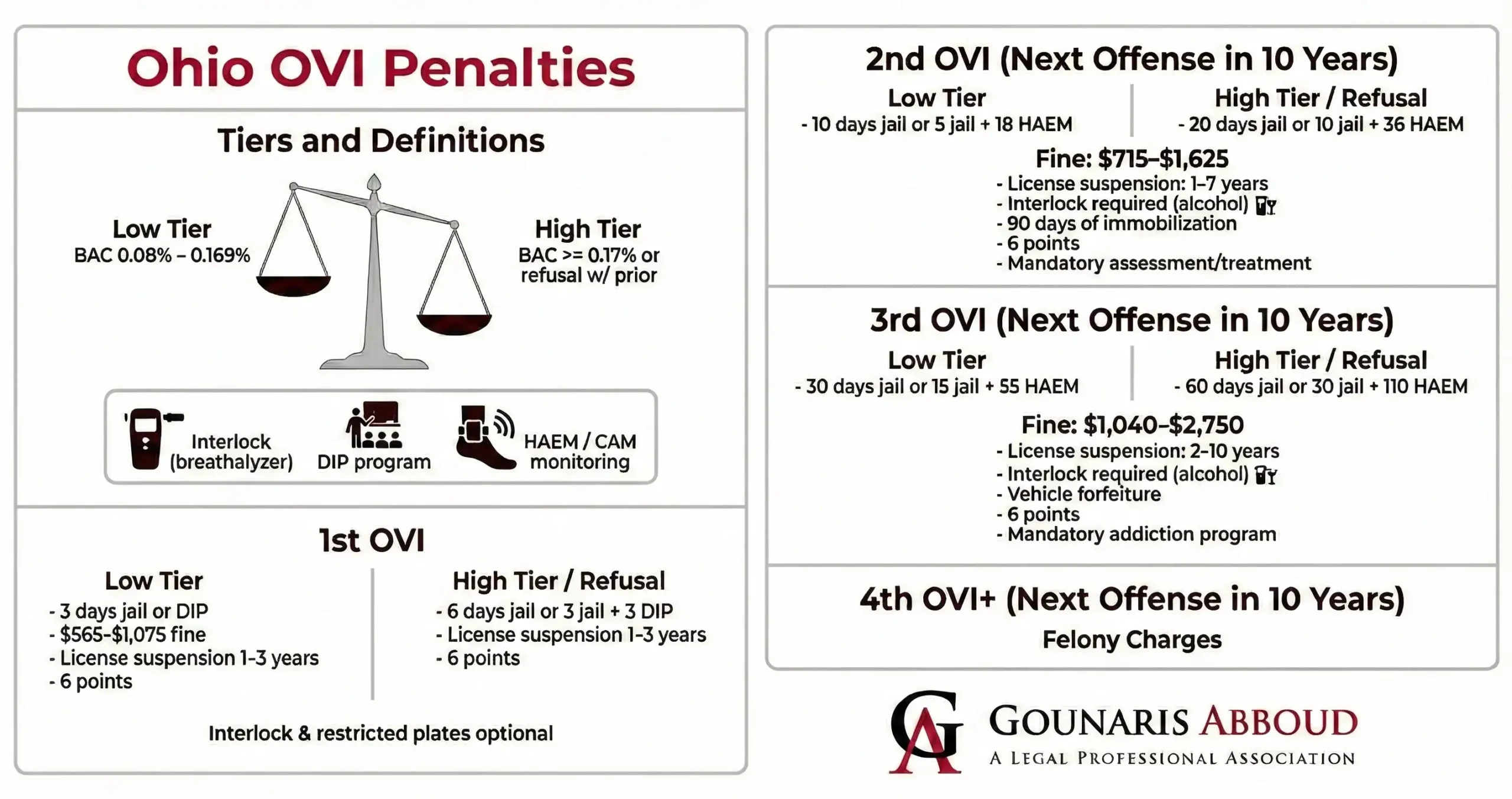
In Ohio, drunk and drugged drivers are criminally charged with the crime of operating a vehicle while impaired (OVI), which typically leads to criminal and administrative penalties, including time behind bars, a license suspension, and fines. In addition to serious criminal and administrative penalties, convicted drivers also face consequences to their lives and livelihoods.
In order to charge a driver with OVI in Ohio, one or more of the following conditions must be met:
- Driver has a blood alcohol content of .08% or more (.02% for underage drivers).
- Driver operated a vehicle while impaired by drugs, alcohol, or both.
- Driver has a certain amount of a controlled substance in their blood.
When the charge is based on a chemical test, such as a BAC test, the official charge becomes per se OVI. This means that the impairment is automatically assumed based on the blood test and does not need to be proved otherwise. Without a BAC or urine test, the prosecutor is required to demonstrate beyond a reasonable doubt that a driver was driving their vehicle while impaired.
A per se OVI may also be charged when a person’s blood or urine content reveals threshold amounts of various controlled substances.
The following list contains the urine and blood thresholds of some common drugs found in Ohio.
✓ Amphetamine: ≥ 500 ng
✓ Cocaine: ≥ 150 ng
✓ Cocaine metabolite: ≥ 150 ng
✓ Heroin: ≥ 2000 ng
✓ Heroin metabolite: ≥ 10 ng
✓ L.S.D.: ≥ 25 ng
✓ Marijuana: ≥ 10 ng
✓ Marijuana metabolite and under the influence: ≥ 15 ng
✓ Marijuana metabolite: ≥ 35 ng
✓ Methamphetamine: ≥ 500 ng
✓ Phencyclidine: ≥ 25 ng
Additionally, under recent changes to Ohio law, law enforcement is permitted to use mouth swabs to collect oral fluid samples for detecting recent drug use. While this method doesn’t necessarily indicate impairment at the exact moment of driving, it may be subject to legal challenges. If you are charged with OVI at any level, you should quickly reach out to an experienced OVI lawyer for representation.
What Are Collateral Consequences for OVI Charges?
- Employment consequences: An OVI conviction can lead to significant job problems, most notably in fields where driving is essential or required.
- Professional license issues: In some professions, a DUI can be grounds for denial or suspension of a professional license.
- Insurance problems: With an OVI, you can expect to pay significantly higher auto insurance premiums and may require specialized high-risk insurance.
- Child custody issues: An OVI conviction can be used against you in a child custody hearing as evidence of being an unfit parent.
- Immigration status: You may be facing issues with your immigration paperwork if you are not a U.S. citizen.
- Social stigma: Although many people drink and drive, the social stigma surrounding the crime is heavy and may feel isolating.
- Education issues: In some cases, it may be difficult or even impossible to enter a program of study with a criminal record.
- Firearms possession: With multiple OVI convictions or an OVI with bodily injury or death, you will lose your right to bear arms.
- Professional associations: Criminal behavior is often grounds for automatic disqualification from membership in certain organizations.
- Housing issues: With a simple criminal background check, a landlord can discover your criminal record and deny your rental application.
- Financial impacts: OVI charges are incredibly expensive. Between the court costs, mandatory fines, and administrative fees, you are looking at a small fortune in some instances.
What Are the Specific Penalties for Each OVI Offense?
- Jail or prison time
- Substantial fines
- Driver’s license suspension
- Probation
- Ignition interlock device installation
- Red/yellow DUI “Party Plates”
- Use of an alcohol monitoring device
- Alcohol assessment and treatment
Ohio OVI penalties chart (arrested with no BAC testing):
| No. of Offense | Jail Time | Maximum Fines | License Suspension | Restricted Plates | Interlock | Alcohol Assessment/ Monitoring | Vehicle Immobilization/ Forfeiture |
|---|---|---|---|---|---|---|---|
| 1st Offense | 3 to 180 days in jail (DIP at judge’s discretion) | Monetary fine of $565 to $1,075 | 1 to 3 years. 15-day suspension may be waived if no prior physical control & test taken; otherwise, 45-day no privileges + interlock | DUI “Party Plates” (court’s discretion) | Ignition interlock (court’s discretion) | Alcohol assessment (court’s discretion) | N/A |
| 2nd Offense | 10 to 180 days in jail | Monetary fine of $715 to $1,625 | 1 to 7 years (45-day minimum) | DUI “Party Plates” (court’s discretion) | Ignition interlock (mandatory) | Alcohol assessment (mandatory) | Vehicle immobilization 90 days |
| 3rd Offense | 30 days to one year in jail | Monetary fine of $1,040 to $2,750 | 2 to 12 years (6-month minimum) | DUI “Party Plates” (mandatory) | Ignition interlock (mandatory) | Alcohol assessment (mandatory) Alcohol monitoring (mandatory with driving privileges) | Vehicle immobilization 90 days Vehicle subject to forfeiture |
| 4th Offense/ Priors | 60 days to 36 months in jail or prison | Monetary fine of $1,350 to $10,500 | 3 years to lifetime (3-year minimum) | DUI “Party Plates” (mandatory) | Ignition interlock (mandatory) | Alcohol assessment (mandatory) Alcohol monitoring (mandatory with driving privileges) | Vehicle immobilization 90 days Vehicle subject to forfeiture |
Ohio OVI sentencing chart (failed BAC testing 0.08 to 0.169):
| No. of Offense | Jail Time | Maximum Fines | License Suspension | Restricted Plates | Interlock | Alcohol Assessment/ Monitoring | Vehicle Immobilization/ Forfeiture |
|---|---|---|---|---|---|---|---|
| 1st Offense | 3 to 180 days in jail (DIP at judge’s discretion) | Monetary fine of $565 to $1,075 | 1 to 3 years. 15-day suspension may be waived if no prior physical control & test taken; otherwise, 45-day no privileges + interlock | DUI “Party Plates” (court’s discretion) | Ignition interlock (court’s discretion) | Alcohol assessment (court’s discretion) | N/A |
| 2nd Offense | 10 to 180 days in jail | Monetary fine of $715 to $1,625 | 1 to 7 years (45-day minimum) | DUI “Party Plates” (court’s discretion) | Ignition interlock (mandatory) | Alcohol assessment (mandatory) | Vehicle immobilization 90 days |
| 3rd Offense | 30 days to one year in jail | Monetary fine of $1,040 to $2,750 | 2 to 12 years (6-month minimum) | DUI “Party Plates” (mandatory) | Ignition interlock (mandatory) | Alcohol assessment (mandatory) Alcohol monitoring (mandatory with driving privileges) | Vehicle immobilization 90 days Vehicle subject to forfeiture |
| 4th Offense/ Priors | 60 days to 30 months in jail or prison | Monetary fine of $1,350 to $10,500 | 3 years to lifetime (3-year minimum) | DUI “Party Plates” (mandatory) | Ignition interlock (mandatory) | Alcohol assessment (mandatory) Alcohol monitoring (mandatory with driving privileges) | Vehicle immobilization 90 days Vehicle subject to forfeiture |
OVI penalty chart in Ohio (failed BAC testing 0.17 and up):
| No. of Offense | Jail Time | Maximum Fines | License Suspension | Restricted Plates | Interlock | Alcohol Assessment/ Monitoring | Vehicle Immobilization/ Forfeiture |
|---|---|---|---|---|---|---|---|
| 1st Offense | 6 to 180 days in jail (DIP at judge’s discretion) | Monetary fine of $565 to $1,075 | 1 to 3 years. 15-day suspension may be waived if no prior physical control & test taken; otherwise, 45-day no privileges + interlock | DUI “Party Plates” (mandatory) | Ignition interlock (court’s discretion) | Alcohol assessment (court’s discretion) | N/A |
| 2nd Offense | 20 to 180 days in jail | Monetary fine of $715 to $1,625 | 1 to 7 years (45-day minimum) | DUI “Party Plates” (mandatory) | Ignition interlock (mandatory) | Alcohol assessment (mandatory) | Vehicle immobilization 90 days |
| 3rd Offense | 60 days to one year in jail | Monetary fine of $1,040 to $2,750 | 2 to 12 years (6-month minimum) | DUI “Party Plates” (mandatory) | Ignition interlock (mandatory) | Alcohol assessment (mandatory) Alcohol monitoring (mandatory with driving privileges) | Vehicle immobilization 90 days Vehicle subject to forfeiture |
| 4th Offense/ Priors | 120 days to 30 months in jail or prison | Monetary fine of $1,350 to $10,500 | 2 years to lifetime (3-year minimum) | DUI “Party Plates” (mandatory) | Ignition interlock (mandatory) | Alcohol assessment (mandatory) Alcohol monitoring (mandatory with driving privileges) | Vehicle immobilization 90 days Vehicle subject to forfeiture |
Ohio OVI penalty chart (with prior refusal within 20 years):
| No. of Offense | Jail Time | Maximum Fines | License Suspension | Restricted Plates | Interlock | Alcohol Assessment/ Monitoring | Vehicle Immobilization/ Forfeiture |
|---|---|---|---|---|---|---|---|
| 1st Offense | 6 to 180 days in jail (DIP at judge’s discretion) | Monetary fine of $565 to $1,075 | 1 to 3 years. 15-day suspension may be waived if no prior physical control & test taken; otherwise, 45-day no privileges + interlock | DUI “Party Plates” (court’s discretion) | Ignition interlock (court’s discretion) | Alcohol assessment (court’s discretion) | N/A |
| 2nd Offense | 20 to 180 days in jail | Monetary fine of $715 to $1,625 | 1 to 7 years (45-day minimum) | DUI “Party Plates” (court’s discretion) | Ignition interlock (mandatory) | Alcohol assessment (mandatory) | Vehicle immobilization 90 days |
| 3rd Offense | 60 days to one year in jail | Monetary fine of $1,040 to $2,750 | 2 to 12 years (6-month minimum) | DUI “Party Plates” (mandatory) | Ignition interlock (mandatory) | Alcohol assessment (mandatory) Alcohol monitoring (mandatory with driving privileges) | Vehicle immobilization 90 days Vehicle subject to forfeiture |
| 4th Offense/ Priors | 120 days to 30 months in jail or prison | Monetary fine of $1,350 to $10,500 | 2 years to lifetime (3-year minimum) | DUI “Party Plates” (mandatory) | Ignition interlock (mandatory) | Alcohol assessment (mandatory) Alcohol monitoring (mandatory with driving privileges) | Vehicle immobilization 90 days Vehicle subject to forfeiture |
The nature of Ohio’s OVI penalties allows the court to impose even harsher sentences for felony charges or if you previously had five OVIs in the past 20 years.
When the police charge you with OVI, you will face charges that range from a Class 4 misdemeanor to a 3rd-degree OVI felony, depending on the circumstances of your OVI-related arrest and your prior criminal history. In some cases, you may even face what’s known as a “Double DUI”, where two OVI charges are filed from the same incident — one for impairment and one for high BAC.
Upon conviction of a criminal OVI charge, you face potential penalties that include:
- Jail or prison time
- Substantial fines
- Driver’s license suspension
- Probation
- Ignition interlock device installation
- Red/yellow DUI “Party Plates”
- Use of an alcohol monitoring device
- Alcohol assessment and treatment
In the following OVI chart for Ohio, DIP refers to the Certified 72-Hour Driver’s Intervention Program. DIP is a three-day, on-site (stay-over) educational program designed as a potential alternative to mandatory jail sentences.
For some offenders, judges have the option of allowing them to attend a DIP program. However, attendance must be paid by the defendant out-of-pocket (upwards of $500 or more, if they don’t prefer to share a room with another attendee).
Finally, the court may have the option to impose house arrest for a portion of any Ohio OVI penalties involving jail or prison time.
First-Time OVI Offense: Detailed Penalties
| Penalty Type | Low-Level BAC (0.08% – 0.169%) | High-Level BAC (0.17%+) or Refusal with Prior OVI |
|---|---|---|
| Minimum Incarceration | 30 days of jail OR 15 days of jail + 55 days of house arrest with monitoring | 60 days of jail OR 30 days of jail + 110 days of house arrest with monitoring |
| Maximum Incarceration | 1 year | 1 year |
| Probation | Up to 5 years | Up to 5 years |
| Fine | $850 up to $2,750 | $850 up to $2,750 |
| Mandatory Addiction Program | Required | Required |
| License Suspension | 2 to 12 years (no privileges for first 180 days; 1 year if refusal) | 2 to 12 years (no privileges for first 180 days; 1 year if refusal) |
| License Reinstatement Fee | $475.00 | $475.00 |
| Restricted Plates | Required | Required |
| Interlock Device | Required (if alcohol-related) | Required (if alcohol-related) |
| Vehicle Forfeiture | Possible (if registered to defendant) | Possible (if registered to defendant) |
| Points Assessed to Driving Record | 6 points | 6 points |
- License suspension: License suspensions in Ohio for a first OVI can last anywhere between 90 days and three years.
- Fines: If convicted, you can expect to be fined up to $1,075 dollars. In general, the higher your BAC, the more money you will likely have to pay.
- Time behind bars: If the state successfully convicts you, or you take a plea, you can be sentenced to between three days and six months in jail. Fortunately for some, the option of participating in a driver intervention program (DIP) may be available instead of jail.
- Driver intervention program: Convicted offenders typically must attend a DIP, where they are given information on alcohol and drug use and abuse. As mentioned, this may take the place of jail in some cases.
- Probation: Probation is common in many OVI cases. During probation, you are required to comply with certain conditions, which may include periodic check-ins with a probation officer and avoiding the use of drugs and alcohol.
- Ignition interlock device: The courts often order ignition interlock devices installed on a convicted offender’s vehicle. These devices use a breathalyzer to prevent the use of a vehicle by an impaired driver.
Second OVI Offense Within 10 Years
| Penalty Type | Low-Level BAC (0.08% – 0.169%) | High-Level BAC (0.17%+) or Refusal with Prior OVI |
|---|---|---|
| Minimum Incarceration | 10 days of jail OR 5 days of jail + 18 days of house arrest with monitoring | 20 days of jail OR 10 days of jail + 36 days of house arrest with monitoring |
| Maximum Incarceration | 6 months | 6 months |
| Probation | Up to 5 years | Up to 5 years |
| Fine | $525 up to $1,625 | $525 up to $1,625 |
| Mandatory Assessment/Treatment | Yes | Yes |
| License Suspension | 1 to 7 years. No driving privileges during the first 45 days (90 if a refusal). | 1 to 7 years. No driving privileges during the first 45 days (90 if a refusal). |
| License Reinstatement Fee | $475.00 | $475.00 |
| Restricted Plates Required | Yes | Yes |
| Interlock Required | Yes (if alcohol-related) | Yes (if alcohol-related) |
| 90-Day Vehicle Immobilization | Yes (if registered to defendant) | Yes (if registered to defendant) |
| Points Assessed to Driving Record | 6 points | 6 points |
- Jail time: You could be looking at a minimum of 10 days in jail or up to 180. If a High Tier BAC is involved, the minimum jail time you face doubles to 20 days.
- Fines: Fines involved with second-time OVI offenders can run as high as $1,625.
- License suspension: You will be looking at a minimum of a one-year driver’s license suspension. Additionally, the cost to get your license reinstated runs into the hundreds of dollars.
- Driving privileges: Your driving privileges will be heavily restricted once you are allowed to drive again.
- Vehicle immobilization: If the car you were driving is registered in your name, it will likely be impounded and immobilized for 90 days.
- Probation: You may be entitled to probation after completing a mandatory alcohol assessment.
Ignition Interlock Devices: Second-Time OVI
Third OVI Offense Within 10 Years
Conviction for a third offense can lead to being labeled a habitual offender, which triggers enhanced penalties for any future OVI crimes. It also carries devastating employment and insurance rate impacts.
- Minimum incarceration: Minimum jail time is either 30 days straight, or 15 days in jail plus 55 days of house arrest.
- Maximum incarceration: You can be jailed for up to one full year.
- Fine: You are looking at fines ranging from $850 to $2,750.
- Mandatory addiction treatment: You will be required to submit to an intensive alcohol/drug treatment program.
- License suspension: The license suspension for a third OVI conviction can last anywhere between 2 and 12 years.
- Vehicle forfeiture: A third OVI charge opens you up to the potential permanent forfeiture of your vehicle to the state.
Felony OVI Charges: Fourth Offenses and Beyond
Felony Charges for DUIs Involving Injuries and Deaths
License Suspension for DUIs in Ohio
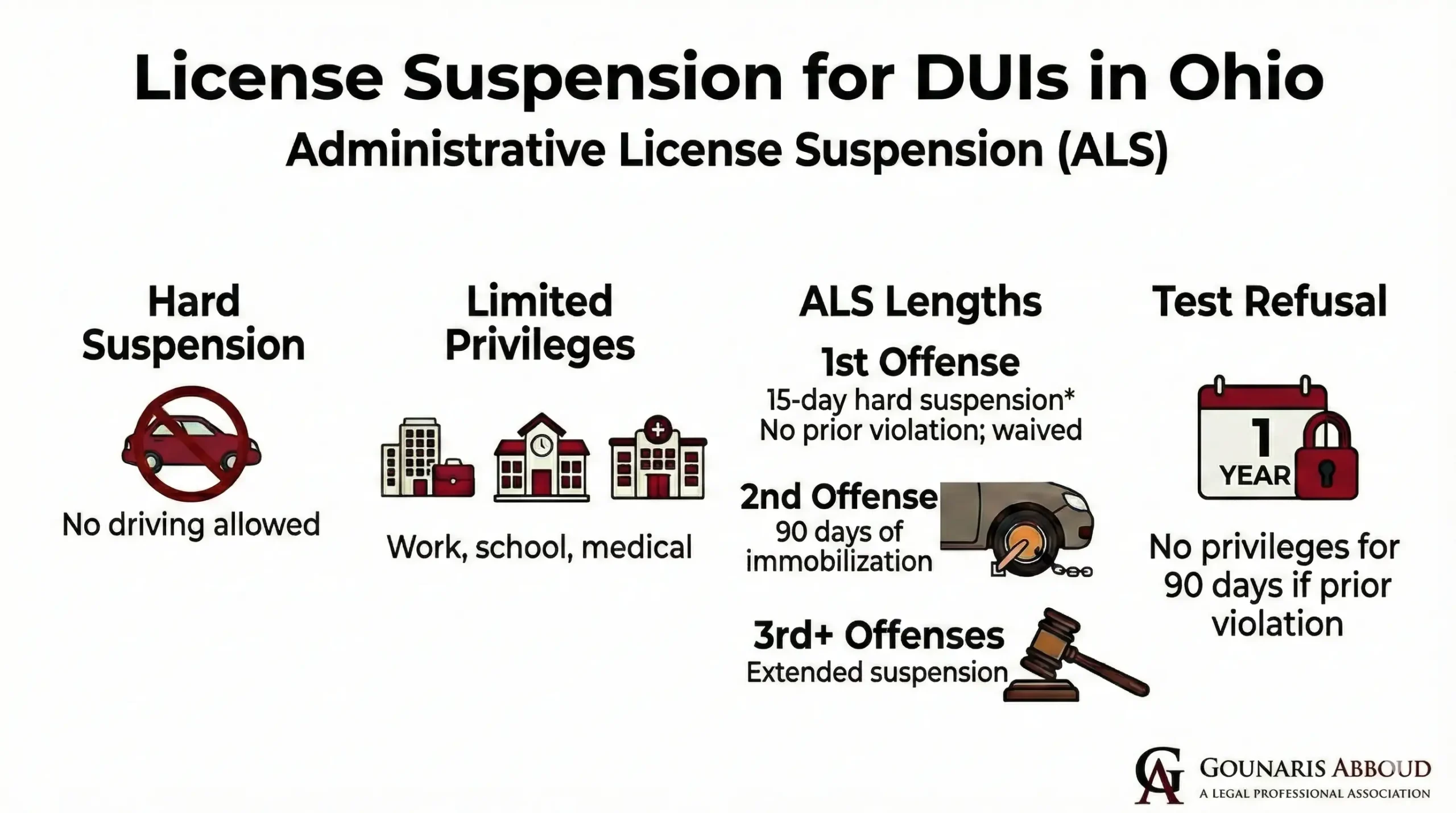
In Ohio, DUI-related license suspensions are known as Administrative License Suspensions (ALS) and are divided into two phases: the “hard suspension” and potential limited driving privileges.
During the hard suspension period, your driving privileges are fully revoked. Afterward, a judge may grant limited driving privileges, allowing you to drive to essential places like work, school, or medical appointments, depending on your circumstances.
ALS Lengths
- First offense: If you submitted to a chemical test, a 15-day hard suspension can be waived, but if there’s a prior physical control violation, no driving privileges are available for 45 days, and an interlock device is required.
- Second offense: License plate impoundment and vehicle immobilization for 90 days, along with the ALS.
- Third, fourth, and fifth offenses: Longer ALS periods apply, with increasing penalties.
Chemical Test Refusal
Refusing a chemical test results in a 1-year ALS. After 30 days, driving privileges may be restored unless there’s a physical control violation in the last 10 years, in which case no privileges will be granted for 90 days and an interlock device will be required.
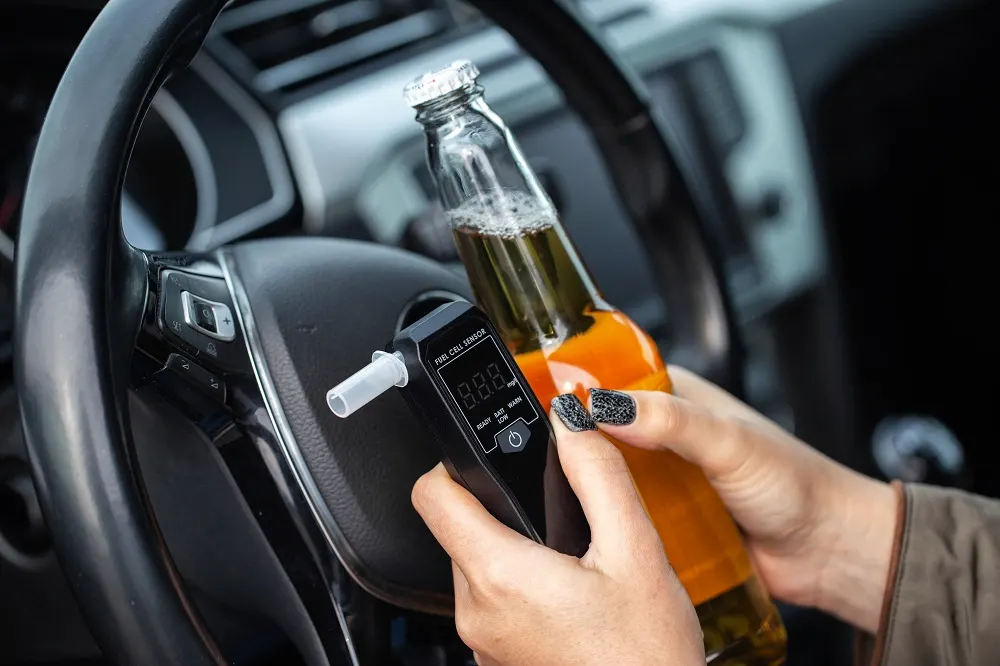
Arrest with No BAC Testing
First Offense
- 3 to 180 days in jail (DIP at judge’s discretion)
- Monetary fine of $565 to $1,075
- License suspension of 1 to 3 years. 15-day suspension may be waived if no prior physical control & test taken; otherwise, 45-day no privileges + interlock.
- DUI “Party Plates” (court’s discretion)
- Ignition interlock (court’s discretion)
- Alcohol assessment (court’s discretion)
Second Offense
- 10 to 180 days in jail
- Monetary fine of $715 to $1,625
- License suspension of 1 to 7 years (45-day minimum)
- Ignition interlock (mandatory)
- Alcohol assessment (mandatory)
- Vehicle immobilization for 90 days
- DUI “Party Plates” (court’s discretion)
Third Offense
- 30 days to one year in jail
- Monetary fine of $1,040 to $2,750
- License suspension of 2 to 12 years (6-month minimum)
- Ignition interlock (mandatory)
- Alcohol assessment (mandatory)
- Vehicle immobilization for 90 days
- Vehicle subject to forfeiture
- DUI “Party Plates” (mandatory)
- Alcohol monitoring (mandatory with driving privileges)
Fourth Offense
- 60 days to 30 months in jail or prison
- Monetary fine of $1,350 to $10,500
- License suspension of 3 years to lifetime (3-year minimum)
- Ignition interlock (mandatory)
- Alcohol assessment (mandatory)
- Vehicle immobilization for 90 days
- Vehicle subject to forfeiture
- DUI “Party Plates” (mandatory)
- Alcohol monitoring (mandatory with driving privileges)
Prior Felony
- 60 days to 36 months in jail or prison
- Monetary fine of $1,350 to $10,500
- License suspension of 3 years to lifetime (3-year minimum)
- Ignition interlock (mandatory)
- Alcohol assessment (mandatory)
- Vehicle immobilization for 90 days
- Vehicle subject to forfeiture
- DUI “Party Plates” (mandatory)
- Alcohol monitoring (mandatory with driving privileges)
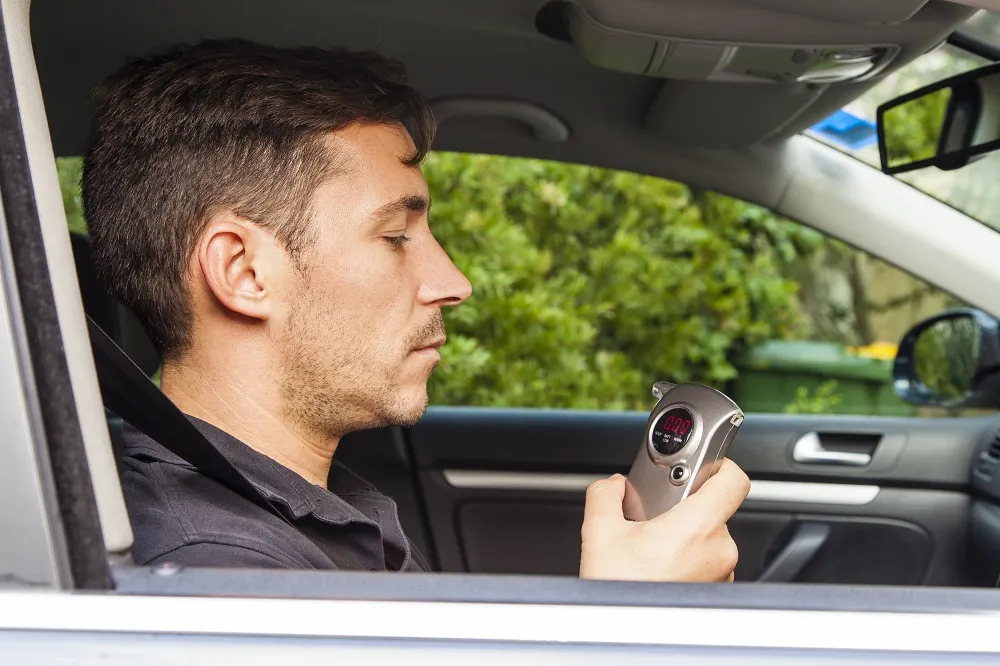
Failed BAC Testing 0.08 to 0.169
First Offense
- 3 to 180 days in jail (DIP at judge’s discretion)
- Monetary fine of $565 to $1,075
- License suspension of 1 to 3 years. 15-day suspension may be waived if no prior physical control & test taken; otherwise, 45-day no privileges + interlock.
- DUI “Party Plates” (court’s discretion)
- Ignition interlock (court’s discretion)
- Alcohol assessment (court’s discretion)
Second Offense
- 10 to 180 days in jail
- Monetary fine of $715 to $1,625
- License suspension of 1 to 7 years (45-day minimum)
- Ignition interlock (mandatory)
- Alcohol assessment (mandatory)
- Vehicle mobilization for 90 days
- DUI “Party Plates” (court’s discretion)
Third Offense
- 30 days to one year in jail
- Monetary fine of $1,040 to $2,750
- License suspension of 2 to 12 years (6-month minimum)
- Ignition interlock (mandatory)
- Alcohol assessment (mandatory)
- Vehicle immobilization for 90 days
- Vehicle subject to forfeiture
- DUI “Party Plates” (mandatory)
- Alcohol monitoring (mandatory with driving privileges)
Fourth Offense
- 60 days to 30 months in jail or prison
- Monetary fine of $1,350 to $10,500
- License suspension of 3 years to lifetime (3-year minimum)
- Ignition interlock (mandatory)
- Alcohol assessment (mandatory)
- Vehicle immobilization for 90 days
- Vehicle subject to forfeiture
- DUI “Party Plates” (mandatory)
- Alcohol monitoring (mandatory with driving privileges)
Prior Felony
- 60 days to 36 months in jail or prison
- Monetary fine of $1,350 to $10,500
- License suspension of 3 years to lifetime (3-year minimum)
- Ignition interlock (mandatory)
- Alcohol assessment (mandatory)
- Vehicle immobilization for 90 days
- Vehicle subject to forfeiture
- DUI “Party Plates” (mandatory)
- Alcohol monitoring (mandatory with driving privileges)
Failed BAC Testing 0.17 or Above
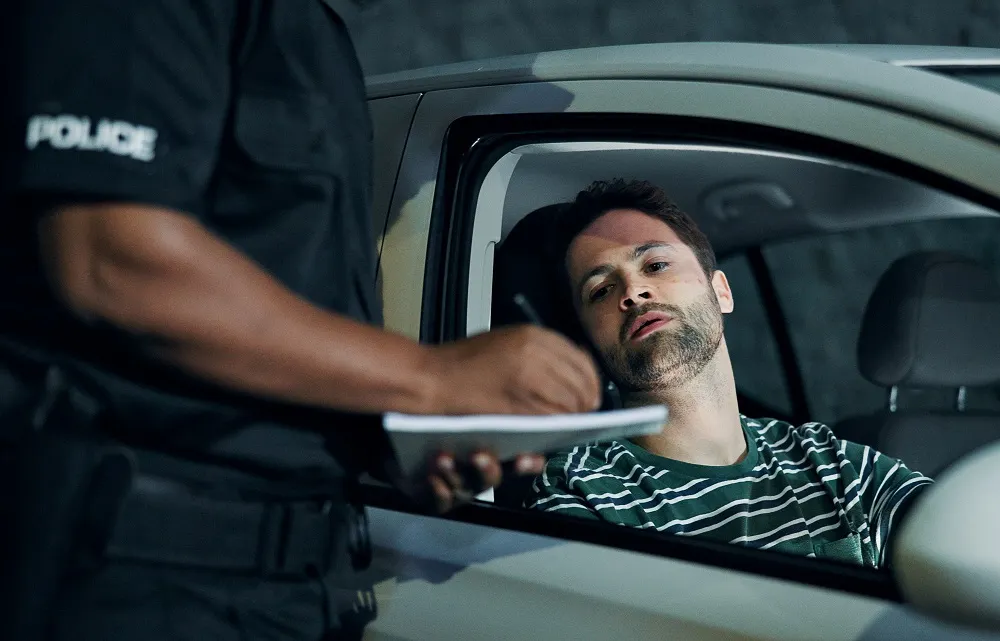
First Offense
- 6 to 180 days in jail (DIP at judge’s discretion)
- Monetary fine of $565 to $1,075
- License suspension of 1 to 3 years. 15-day suspension may be waived if no prior physical control & test taken; otherwise, 45-day no privileges + interlock.
- Ohio DUI plates (mandatory)
- Ignition interlock (court’s discretion)
- Alcohol assessment (court’s discretion)
Second Offense
- 20 to 180 days in jail
- Monetary fine of $715 to $1,625
- License suspension of 1 to 7 years (45-day minimum)
- Ignition interlock (mandatory)
- Alcohol assessment (mandatory)
- DUI “Party Plates” (mandatory)
- Vehicle immobilization for 90 days
Third Offense
- 60 days to one year in jail
- Monetary fine of $1,040 to $2,750
- License suspension of 2 to 12 years (6-month minimum)
- Ignition interlock (mandatory)
- Alcohol assessment (mandatory)
- Vehicle immobilization for 90 days
- Vehicle subject to forfeiture
- DUI “Party Plates” (mandatory)
- Alcohol monitoring (mandatory with driving privileges)
Fourth Offense
- 120 days to 30 months in jail or prison
- Monetary fine of $1,350 to $10,500
- License suspension of 2 years to lifetime (3-year minimum)
- Ignition interlock (mandatory)
- Alcohol assessment (mandatory)
- Vehicle immobilization for 90 days
- Vehicle subject to forfeiture
- DUI “Party Plates” (mandatory)
- Alcohol monitoring (mandatory with driving privileges)
Prior Felony
- 120 days to 36 months in jail or prison
- Monetary fine of $1,350 to $10,500
- License suspension of 3 years to lifetime (3-year minimum)
- Ignition interlock (mandatory)
- Alcohol assessment (mandatory)
- Vehicle immobilization for 90 days
- Vehicle subject to forfeiture
- DUI “Party Plates” (mandatory)
- Alcohol monitoring (mandatory with driving privileges)
DUI Penalties for Refusing a Chemical Test
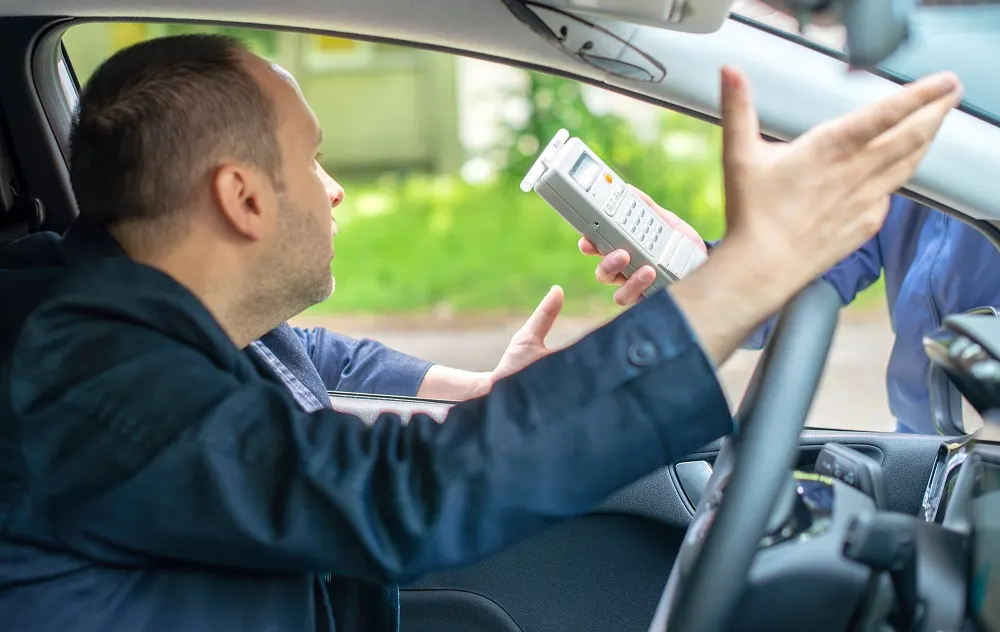
First Offense
- 6 to 180 days in jail (DIP at judge’s discretion)
- Monetary fine of $565 to $1,075
- License suspension of 1 to 3 years. 15-day suspension may be waived if no prior physical control charge in Ohio & test taken; otherwise, 45-day no privileges + interlock.
- DUI “Party Plates” (court’s discretion)
- Ignition interlock (court’s discretion)
- Alcohol assessment (court’s discretion)
Second Offense
- 20 to 180 days in jail
- Monetary fine of $715 to $1,625
- License suspension of 1 to 7 years (45-day minimum)
- Ignition interlock (mandatory)
- Alcohol assessment (mandatory)
- Vehicle immobilization for 90 days
- DUI “Party Plates” (court’s discretion)
Third Offense
- 60 days to one year in jail
- Monetary fine of $1,040 to $2,750
- License suspension of 2 to 12 years (6-month minimum)
- Ignition interlock (mandatory)
- Alcohol assessment (mandatory)
- Vehicle immobilization for 90 days
- Vehicle subject to forfeiture
- DUI “Party Plates” (mandatory)
- Alcohol monitoring (mandatory with driving privileges)
Fourth Offense
- 120 days to 30 months in jail or prison
- Monetary fine of $1,350 to $10,500
- License suspension of 2 years to lifetime (3-year minimum)
- Ignition interlock (mandatory)
- Alcohol assessment (mandatory)
- Vehicle immobilization for 90 days
- Vehicle subject to forfeiture
- DUI “Party Plates” (mandatory)
- Alcohol monitoring (mandatory with driving privileges)
Prior Felony
- 60 days to 36 months in jail or prison
- Monetary fine of $1,350 to $10,500
- License suspension of 3 years to lifetime (3-year minimum)
- Ignition interlock (mandatory)
- Alcohol assessment (mandatory)
- Vehicle immobilization for 90 days
- Vehicle subject to forfeiture
- DUI “Party Plates” (mandatory)
- Alcohol monitoring (mandatory with driving privileges)
The nature of Ohio’s OVI penalties allows the court to impose even harsher sentences for felony charges or if you previously had five OVIs in the past 20 years.
What Are the Options for OVI Defenses?
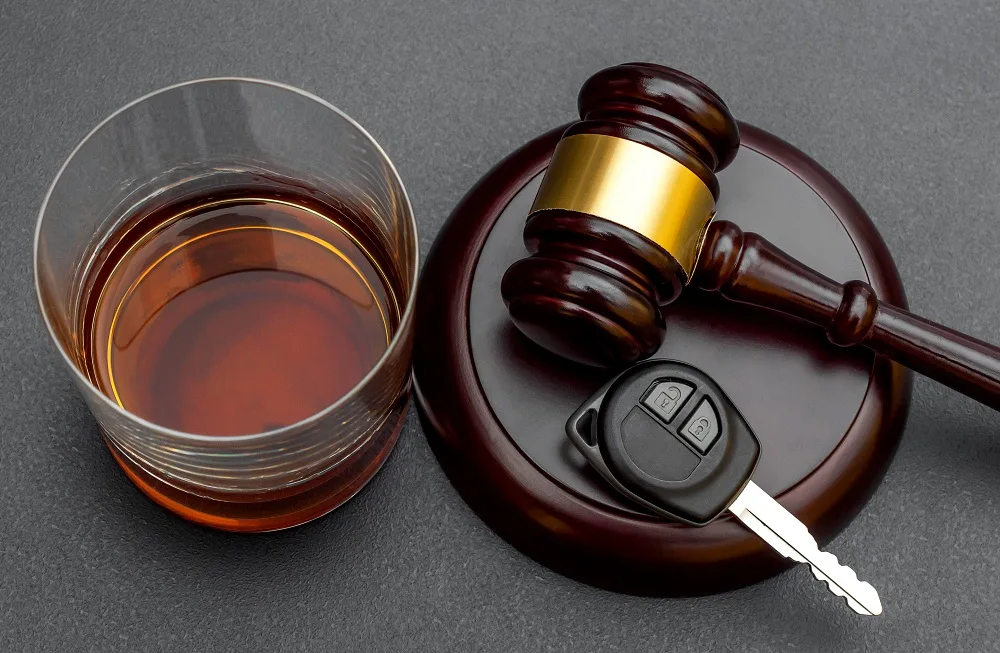
As soon as you contact an attorney, they will immediately get to work on crafting a defense or defenses to your charge. These defenses could result in a reduction in OVI charges or even a dismissal of your cases.
- Challenging the legality of the traffic stop: Your lawyer will scrutinize every aspect of your traffic stop to determine whether the police had just cause and if they executed the stop according to the law.
- Field sobriety test issues: Field sobriety tests are suspect at best. Even the most innocent trip or slip can lead to a DUI. With an attorney representing you, you can expect them to attack the validity of the field sobriety test in your case.
- Breathalyzer or blood test concerns: Test results are only as reliable as the actual tests themselves. If the breathalyzer or other tests used in your case were compromised or weren’t functioning properly, your attorney will find out.
- Rising blood alcohol content (BAC): Your attorney can potentially argue that your BAC was below the legal limit while you were driving, but increased after arrest when the test was administered.
- Medical conditions or medications: If you are on medication, it may cause you to appear to be under the influence when you are not.
- Chain of custody: Your lawyer will follow the chain of custody for your blood or urine sample to ensure that there is no chance that the sample was contaminated or tampered with.
- Improper arrest procedures: If your OVI arrest was not carried out correctly, you could have a strong defense.
- Necessity or emergency: A medical or other type of emergency, in certain circumstances, can potentially free you from liability.
- No probable cause: Your OVI lawyer will make sure that the arresting officer had probable cause to effectuate the arrest.
- Constitutional violations: The existence of any Constitutional violations, such as search and seizure or self-incrimination violations, can lead to vital evidence being excluded in your case.
Consulting with an experienced OVI defense attorney is crucial to determining the best defense strategy for your situation.
Frequently Asked Questions About Ohio OVI Penalties
Is a DUI a felony in Ohio?
How long does an OVI stay on your record in Ohio?
Can I get driving privileges during my license suspension?
What are “party plates” in Ohio?
When Should You Contact an Ohio OVI Lawyer?
If you have been arrested for impaired driving in Ohio, contact a DUI defense lawyer immediately.
The sooner your attorney can get to work on your case, the better. Many aspects of the criminal and administrative processes require immediate attention.
Otherwise, you could face penalties without the opportunity to fight your charges or license suspension.
From the time of your arrest for DUI/OVI, you have only 30 days to formally appeal your driver’s license suspension through the BMV.
If you do not submit a request for an administrative license suspension (ALS) hearing, BMV will suspend your license, and you will have no recourse to contest the suspension.
Contact an Ohio Criminal Defense Lawyer at Gounaris Abboud Today
Gounaris Abboud provides high-quality, dedicated representation to Ohio clients facing OVI charges. We would be happy to discuss your case with you or answer any questions you might have on our Ohio OVI penalties chart. Call 937-884-4941 or complete the contact form today to schedule a consultation with one of our experienced Ohio OVI defense lawyers.