Penalties for Identity Fraud in Ohio
Ohio takes identity fraud seriously, imposing criminal penalties that escalate based on the financial harm caused and the vulnerability of the victim. The state classifies most identity fraud offenses as felonies, with sentencing determined by the monetary value of the fraud and whether the victim belongs to a protected class. Understanding these penalties is crucial for both potential offenders and victims seeking justice.
General Penalties
Identity fraud is typically classified based on the value of the credit, property, services, debt, or other legal obligation that is involved. The lowest level of classification for identity theft is a felony of the fifth degree.
If the value of the credit, property, services, debt, or other legal obligation involved is:
- $1,000 or more but less than $7,500, it becomes a felony of the fourth degree.
- $7,500 or more but less than $150,000, it becomes a felony of the third degree.
- $150,000 or more, it is classified as a felony of the second degree.
Aggravated Penalties for Victims in Protected Classes

If the victim is an elderly person, disabled adult, active duty service member, or their spouse, the penalties are more severe:
- The violation is generally a felony of the fourth degree.
- If the value involved is between $1,000 and $7,500, it is raised to a felony of the third degree.
- If the value is between $7,500 and $150,000, it is a felony of the second degree.
- If the value is $150,000 or more, it becomes a felony of the first degree.
Additional Penalties for Elderly Victims
In identity theft cases where the victim is elderly, the offender must pay full restitution to the victim and may be fined up to $50,000, in addition to any other penalties. These fines are directed to the Montgomery County Department of Job and Family Services to help address elder abuse, neglect, and exploitation within this county.
Common Defenses Against Identity Fraud Charges

Several defenses may be applicable in white-collar crime cases, including identity fraud:
- Lack of intent: Demonstrating that there was no fraudulent intent.
- Mistaken identity: Proving that you were not the individual responsible for the alleged offense.
- Consent: Showing that the alleged victim consented to the use of their personal information.
- Insufficient evidence: Arguing that the prosecution lacks sufficient evidence to support the criminal charges.
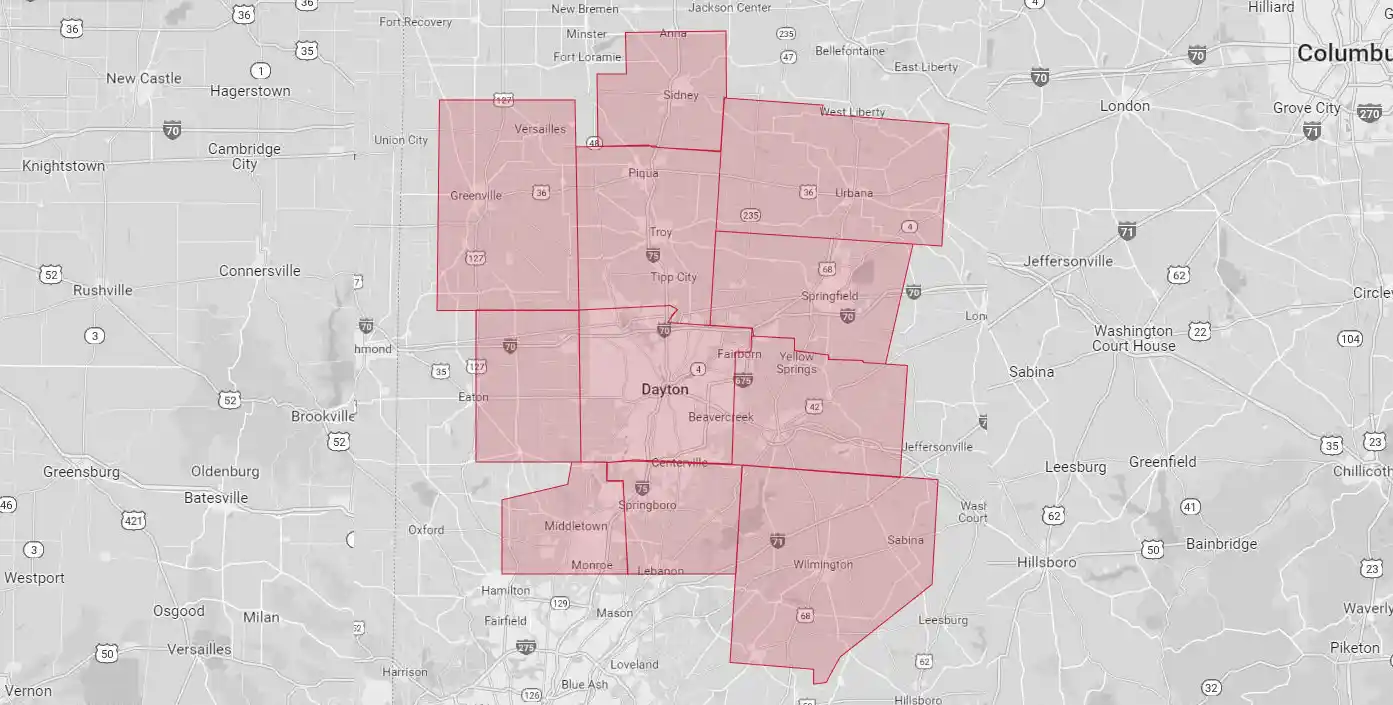
Our Dayton identity fraud defense attorneys will thoroughly review the details of your case to determine the most effective defense strategy.












![badge_1[1]](https://www.gafirm.com/wp-content/uploads/2023/08/badge_11.webp)
![badge_2[1]](https://www.gafirm.com/wp-content/uploads/2023/08/badge_21.webp)
![badge_3[1]](https://www.gafirm.com/wp-content/uploads/2023/08/badge_31.webp)